2026 Mainframe Benchmarks: Why Vets and Grads Command $165k+
By Eric DurrFebruary 26, 2026
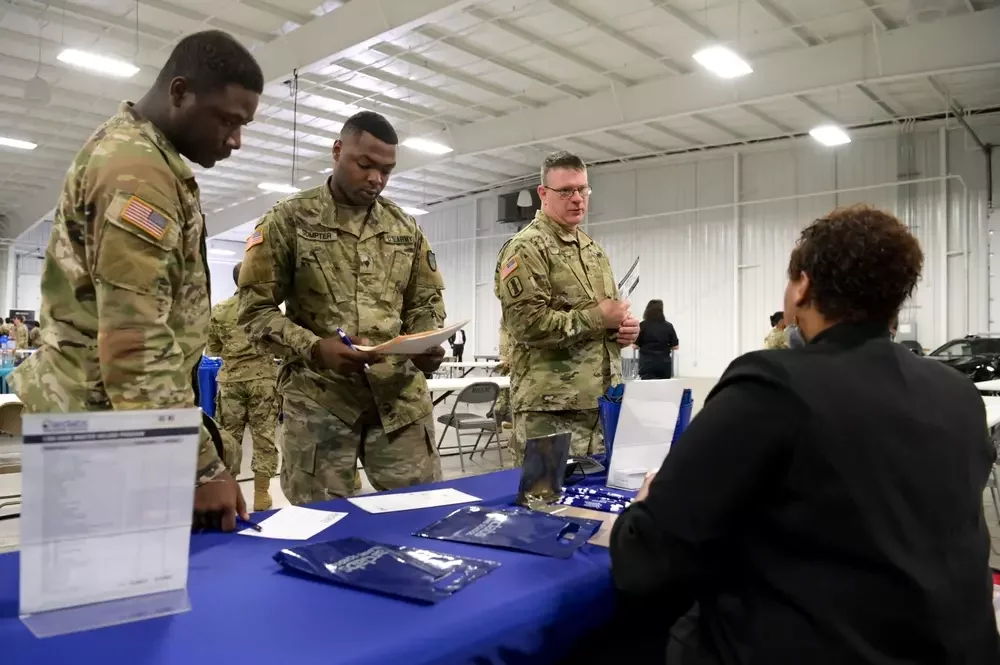
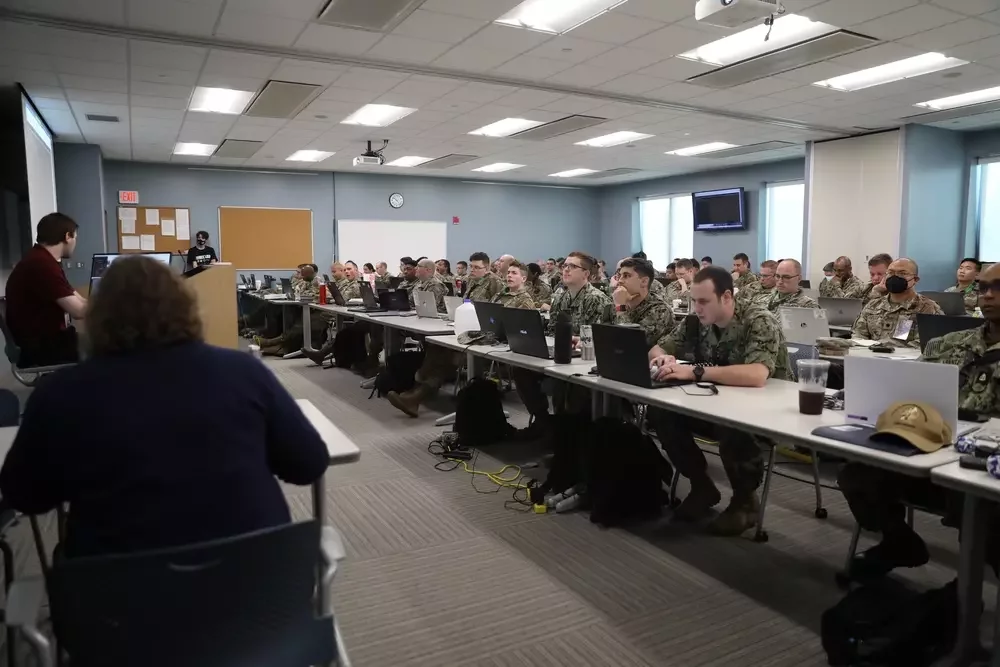
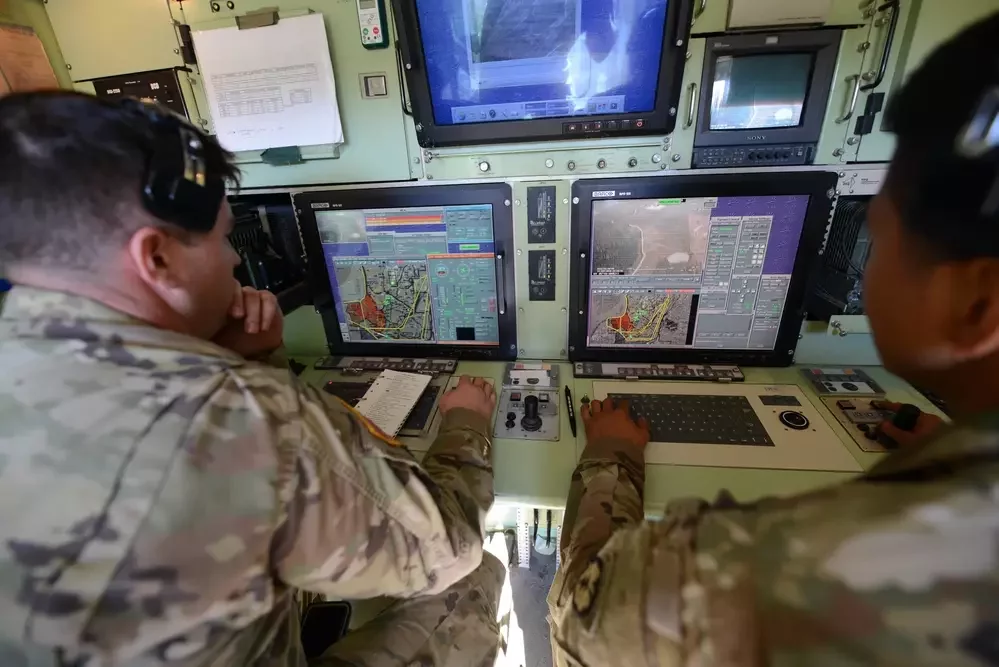
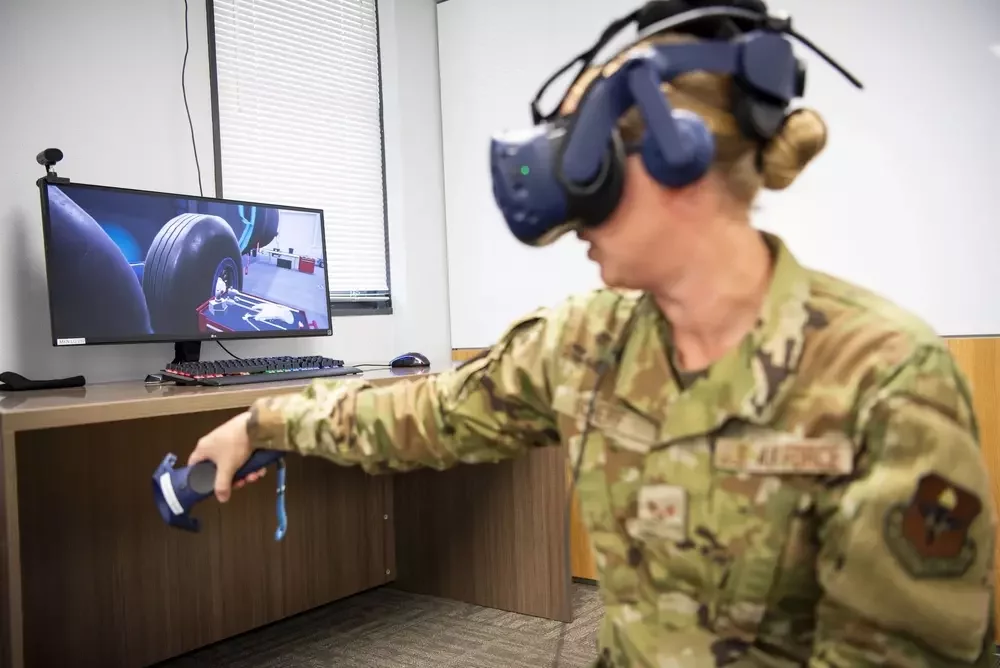

FORT MEADE, Md., March 12, 2026 — As the financial sector doubles down on IBM z/OS infrastructure and the federal government accelerates its modernization initiatives, compensation data for mainframe professionals in 2026 has reached levels that are reshaping career conversations across both the civilian workforce and the veteran transition community.
According to a composite of industry compensation surveys and placement firm data compiled through early 2026, mainframe systems programmers, COBOL developers, and z/OS administrators are commanding base salaries ranging from $140,000 to $185,000 annually, with total compensation packages — including bonuses, benefits, and remote-work stipends — frequently exceeding $200,000 in high-cost markets such as New York, Charlotte, and Dallas.
What's driving the premium is straightforward: the talent pipeline has not kept pace with demand. The mainframe workforce is aging, with a significant portion of experienced practitioners expected to retire within the next five years. Universities, with a handful of notable exceptions participating in IBM's Academic Initiative, rarely offer mainframe-specific coursework. The result is a structural shortage that has fundamentally shifted negotiating leverage toward candidates.
Veterans Enter a High-Demand Market
For service members transitioning out of the military — particularly those with backgrounds in signals intelligence, communications, logistics systems, or any role requiring structured data management — the mainframe sector represents an entry point that is both accessible and financially compelling.
Military occupational specialties that involve working with large-scale data systems, network architecture, or batch processing operations translate with surprising directness to mainframe roles. Veterans who have managed classified data environments, maintained operational communications systems, or administered enterprise-level software in deployed settings often find that the discipline, security clearance familiarity, and systems thinking they developed in uniform map clearly onto the requirements that financial institutions and federal agencies look for in mainframe hires.
Organizations such as the Hiring Our Heroes program, along with several major banks' internal veteran recruiting initiatives, have increasingly flagged mainframe skills training as a priority track for transitioning service members. For those willing to invest three to six months in structured mainframe training — through programs offered by IBM, Marist College, or COBOL-focused bootcamps — the path from separation to a six-figure role has become more defined than it has been in years.
The Graduate Pipeline
On the academic side, a small but growing number of universities have reintroduced mainframe coursework, often in partnership directly with financial institutions that serve as both curriculum partners and prospective employers. Graduates emerging from these programs — particularly those with computer science or information systems degrees who have completed IBM Z Ambassador certifications or comparable credentials — are receiving offers that rival or exceed those available to software engineers entering cloud-native roles at major tech firms.
The reason is competitive pressure. A cloud software engineer entering the job market in 2026 competes against tens of thousands of similarly credentialed candidates. A new graduate with verified mainframe skills and an understanding of z/OS, JCL, and VSAM data management enters a market where qualified candidates are counted in the dozens, not thousands, for many open positions.
What the 2026 Numbers Reflect
Compensation benchmarks vary by specialization. Systems programmers — those responsible for the operating system itself, performance tuning, and capacity planning — represent the highest-paid tier, with experienced practitioners in major financial centers regularly negotiating packages exceeding $175,000 in base salary. COBOL application developers, who maintain and extend the transaction-processing code that underlies banking, insurance, and federal benefits systems, earn somewhat less at the entry level but face equally strong demand. Mainframe security specialists, a role that has grown substantially as cybersecurity requirements have intensified, represent one of the fastest-growing and most lucrative sub-specializations within the field.
The data point that has drawn the most attention from career counselors working with transitioning veterans is the hiring velocity. Positions that were budgeted and approved are frequently going unfilled for months, not because of institutional reluctance to hire, but because qualified candidates simply are not available. That imbalance, by every structural indicator, is expected to intensify through the end of the decade.
For both veterans assessing their post-service options and recent graduates evaluating where to focus their technical development, the 2026 mainframe compensation landscape offers a clear signal: the demand is real, the pay is competitive, and the window for establishing a career in this space — before the next wave of retirements further compresses the available talent — is open now.
RELATED STORIES
MAY 20, 2025
Media Roundtable with General Charles Flynn, USARPAC commander
MAY 20, 2025
Media Roundtable with General Charles Flynn, USARPAC commander
MAY 20, 2025
Media Roundtable with General Charles Flynn, USARPAC commander
MAY 20, 2025
Media Roundtable with General Charles Flynn, USARPAC commander
MAY 20, 2025
Media Roundtable with General Charles Flynn, USARPAC commander