From Mission-Critical to Mainframe: Transitioning Vets into Banking
By Eric DurrFebruary 26, 2026
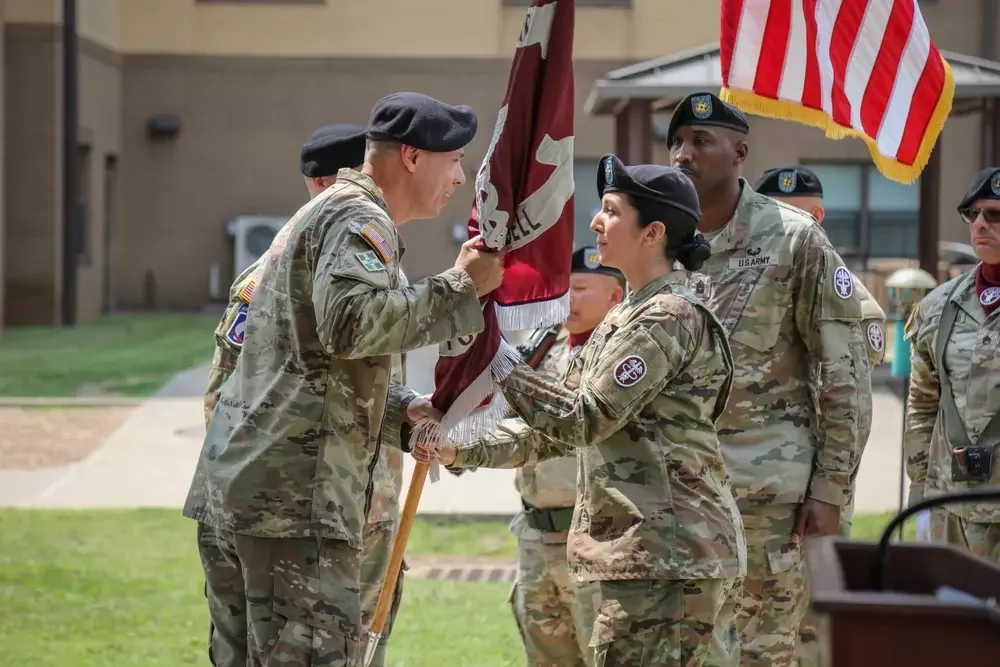
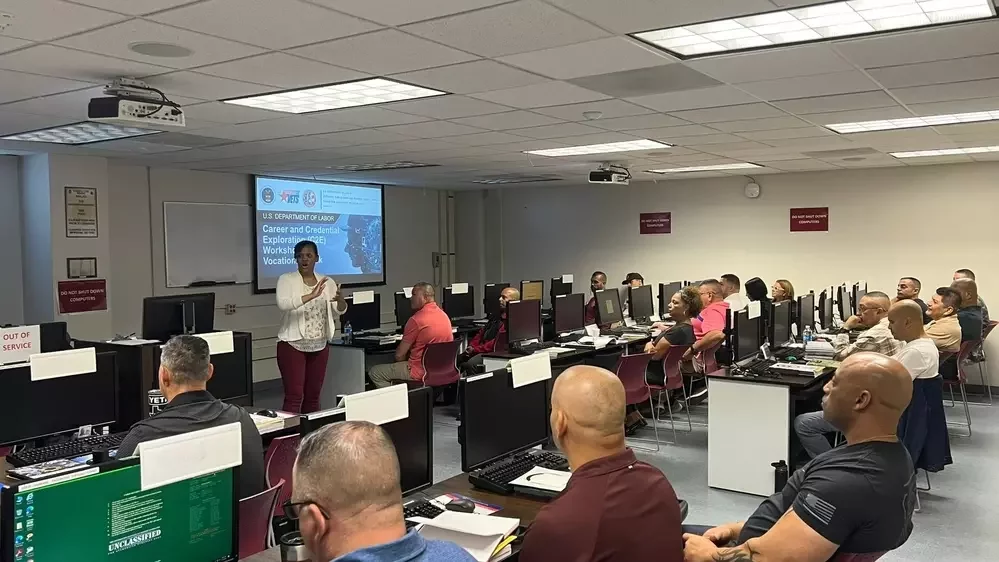
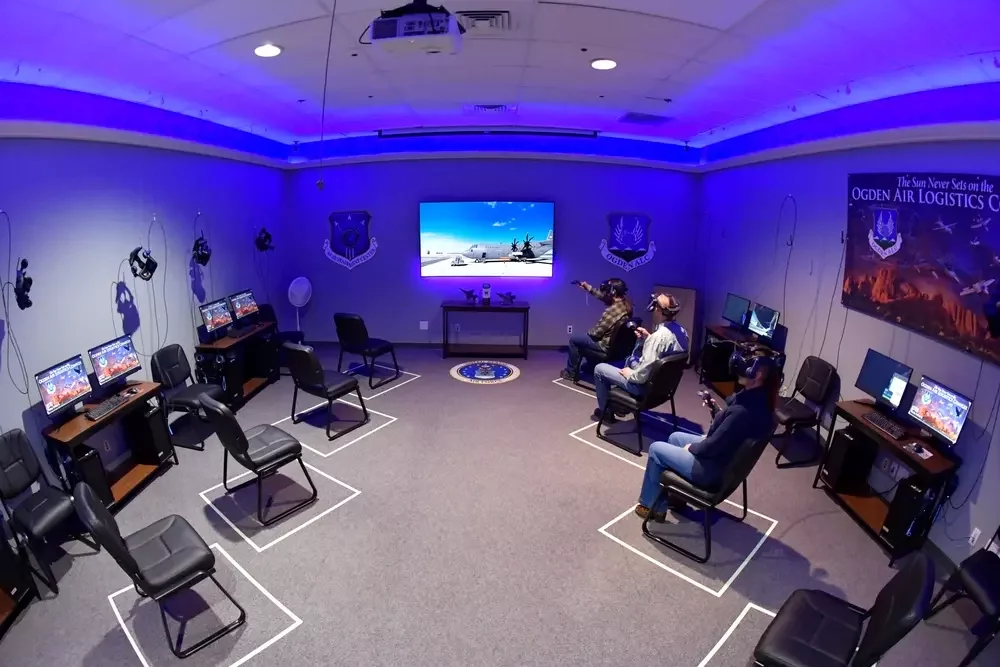
FORT MEADE, Md., March 12, 2026 — The skills that make a Soldier effective in a mission-critical environment — disciplined adherence to protocol, the ability to operate complex systems under pressure, familiarity with high-stakes data environments, and a professional orientation toward mission completion — translate with remarkable directness into the qualities that financial institutions seek in their most important technology roles.
The Military-to-Mainframe pipeline, an increasingly formalized pathway connecting separating service members with careers in bank technology infrastructure, has grown from an informal network of veterans-in-finance advocates into a structured ecosystem supported by major institutions, nonprofit transition organizations, and technology training providers. In 2026, that ecosystem is producing measurable results — and drawing attention from both the Department of Defense's transition policy community and the financial sector's talent acquisition leadership.
The Talent Imperative
The financial services industry's dependency on mainframe infrastructure is well established. What is less visible from outside the sector is the urgency with which institutions are seeking qualified talent to operate, maintain, and evolve those systems. The demographics of the current mainframe workforce tell the story: a large proportion of experienced practitioners are within a decade of retirement, the academic pipeline producing new mainframe-trained graduates remains thin despite recent growth, and the business cannot afford the risk of leaving critical systems underserved.
Against this backdrop, the veteran community represents a talent pool with characteristics that map unusually well to what the mainframe environment demands. Veterans who have spent years working with structured, high-reliability systems — whether in signals, intelligence, logistics automation, or any of the dozens of military occupational specialties that involve enterprise technology — arrive at the doorstep of financial sector employers with practical instincts that classroom training alone cannot provide.
The Pathway in Practice
The typical Military-to-Mainframe journey begins during the transition assistance period, ideally six to twelve months before a service member's effective date of separation. Candidates who identify mainframe banking careers as a target use this window to pursue foundational credentials — IBM's free zSkills training resources, the Marist College mainframe curriculum offered through IBM's Academic Initiative, or structured bootcamps specifically designed for career changers. The goal is not to master z/OS in twelve months. It is to develop enough demonstrated competency to enter an entry-level or associate mainframe role where institutional training programs can complete the development process.
Financial institutions that have built formal Military-to-Mainframe programs typically pair selected veteran hires with experienced practitioners in an apprenticeship or mentorship model. The veteran brings the operational discipline and systems-thinking background. The mentor provides the institutional knowledge, technical depth, and mainframe-specific vocabulary that can only be developed through direct work with the platform. The combination, when the match is right, produces practitioners who often advance faster than traditional hires because the foundational professional competencies are already present.
Security Clearances as a Force Multiplier
One dimension of the veteran-to-banking transition that receives less attention than it deserves is the value of security clearance history in financial sector hiring. While banking does not require federal security clearances for most roles, the background investigation process that underlies military clearance adjudication provides financial institution human resources and risk teams with a level of pre-screened trustworthiness that civilian applicant vetting processes rarely match. For roles involving access to transaction systems, customer financial data, and core banking infrastructure, this matters enormously.
Several major institutions have incorporated security clearance history as a formal positive factor in their veteran hiring evaluation criteria, recognizing it as a proxy for the comprehensive background assessment that their own vetting processes attempt to replicate.
Building the Pipeline
The organizations doing the most to formalize and scale this pathway include Hiring Our Heroes, which has developed sector-specific fellowship programs with financial institutions that place transitioning service members in working roles during their final months of service; the Veterans on Wall Street consortium, which provides networking, mentorship, and career development support for veterans entering financial services; and a growing number of bank-sponsored internal programs that recruit directly from military installations with specific attention to technology-track candidates.
For service members approaching transition, the message is direct: the financial sector needs what you bring, the mainframe skills gap is real, the compensation is competitive, and the infrastructure exists to support your entry. The mission, in this case, is building a second career in one of the most stable and consequential technology environments in the economy.
RELATED STORIES
MAY 20, 2025
Media Roundtable with General Charles Flynn, USARPAC commander
MAY 20, 2025
Media Roundtable with General Charles Flynn, USARPAC commander
MAY 20, 2025
Media Roundtable with General Charles Flynn, USARPAC commander
MAY 20, 2025
Media Roundtable with General Charles Flynn, USARPAC commander
MAY 20, 2025
Media Roundtable with General Charles Flynn, USARPAC commander