The Big Iron Renaissance: Why Banking Infrastructure Relies on z/OS
By Eric DurrFebruary 26, 2026
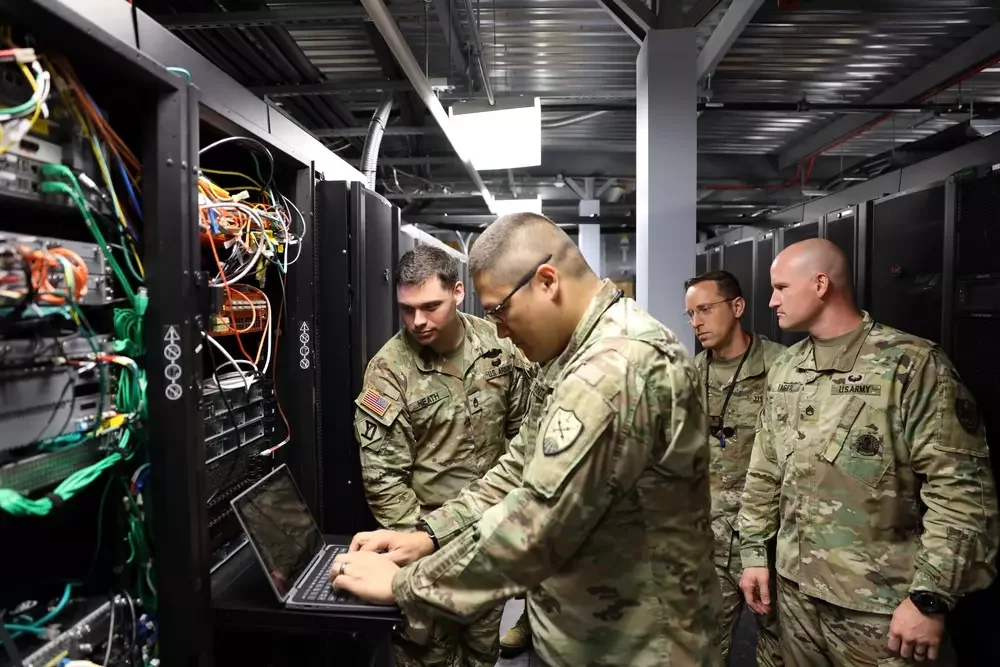
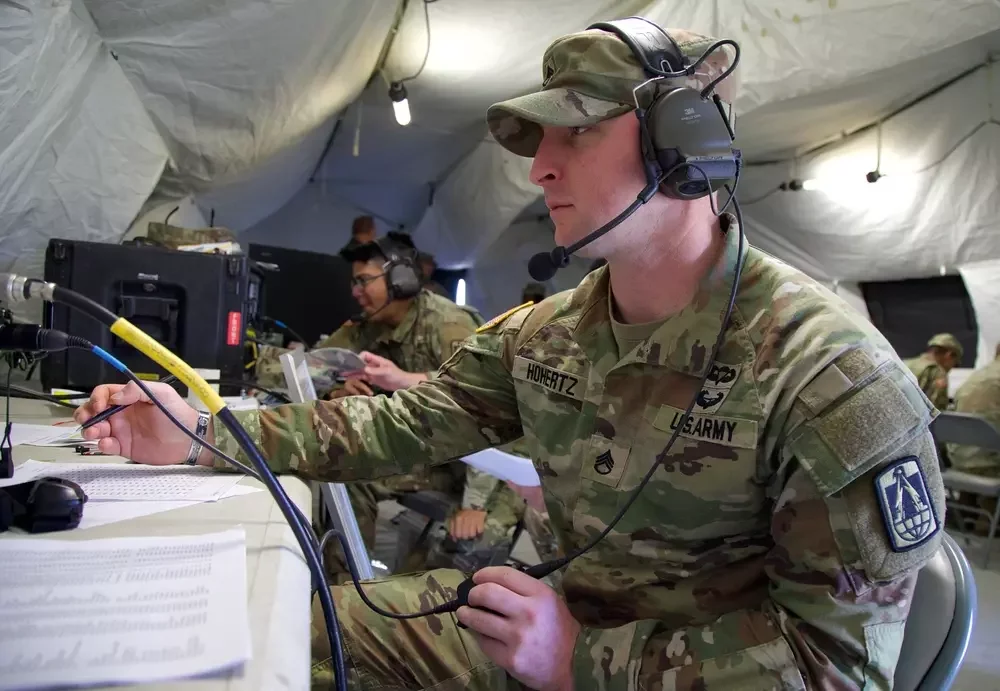
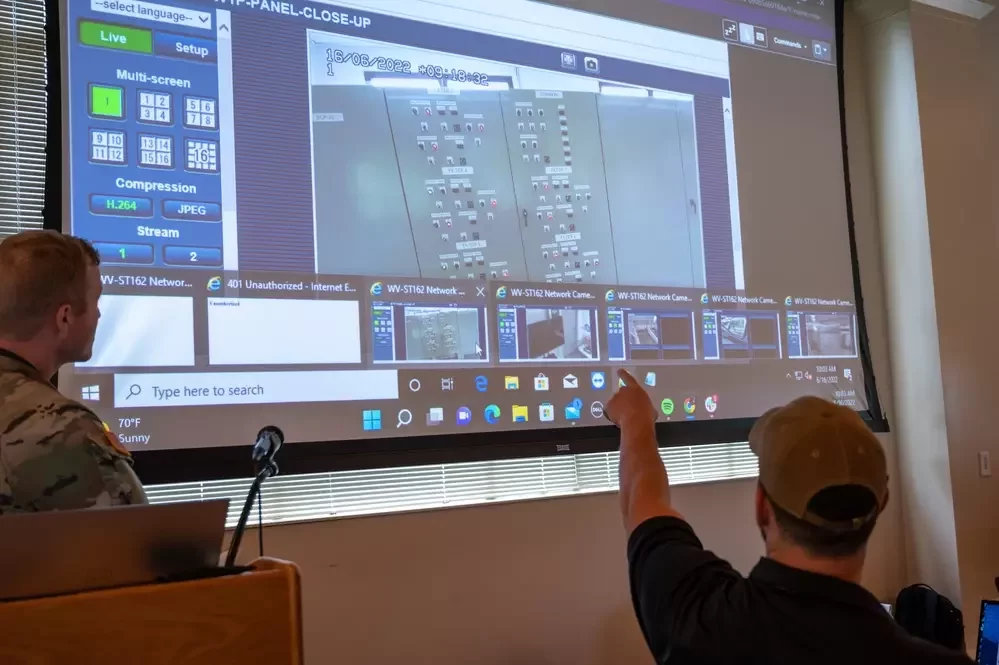
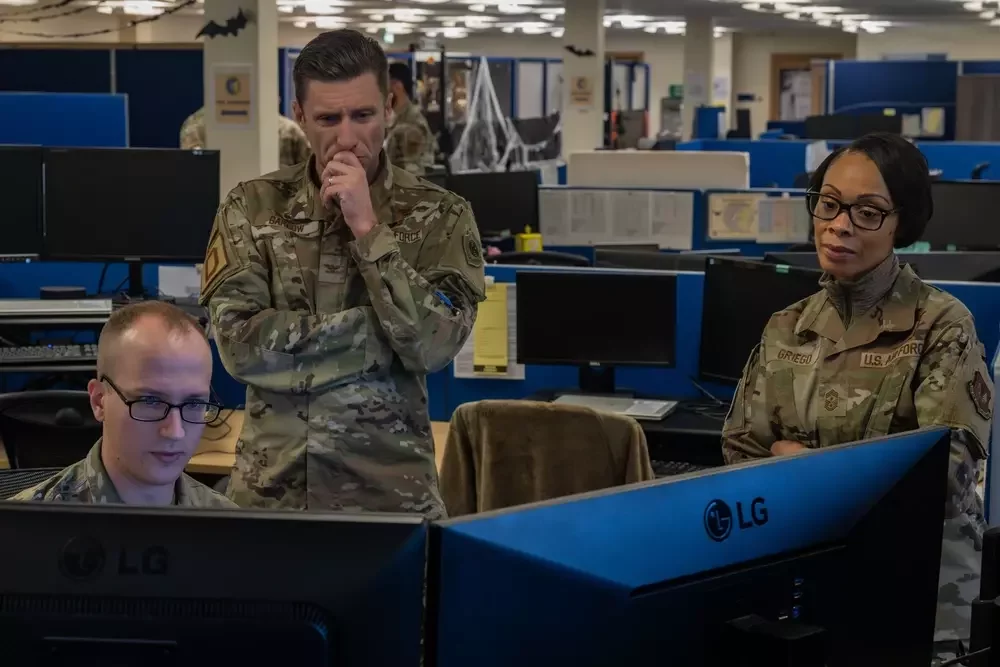
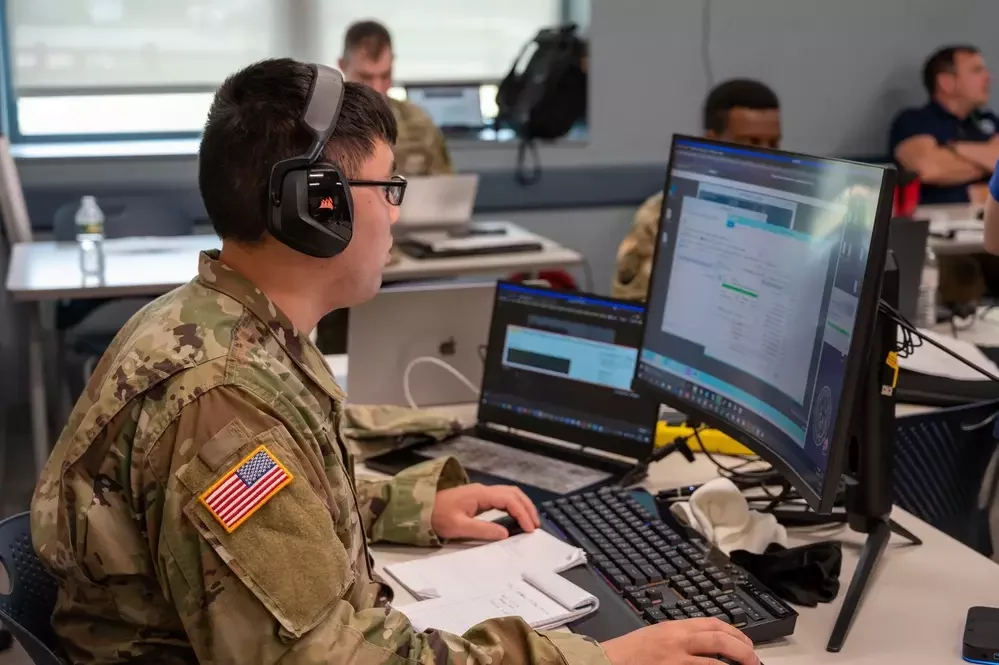
FORT MEADE, Md., March 12, 2026 — In an era defined by cloud computing, artificial intelligence, and distributed architecture, it might seem counterintuitive that the backbone of global banking continues to run on hardware that traces its lineage to the 1960s. Yet in 2026, IBM Z mainframes — and the z/OS operating system that runs on them — are not relics awaiting retirement. They are, by virtually every operational metric, the most consequential technology infrastructure in the financial world.
Every major U.S. bank, the Federal Reserve, the Social Security Administration, the Internal Revenue Service, and countless insurance companies process their most critical transactions on mainframe systems. The numbers involved defy casual comprehension. IBM estimates that mainframes process the equivalent of $8 trillion in daily commerce globally. More than 90 percent of all credit card transactions pass through mainframe infrastructure at some point in their processing chain. The majority of the world's airline reservations, most retail point-of-sale clearance activity, and the bulk of global interbank settlements depend on z/OS workloads completing millions of transactions per second with error rates that approach zero.
Why the Mainframe Survived
The persistence of mainframe infrastructure is not a product of institutional inertia. It reflects a deliberate, evidence-based assessment that no alternative architecture has matched mainframes on the combination of reliability, throughput, security, and total cost of ownership at the scale that financial institutions require.
Mainframes offer what the industry calls "five nines" availability — 99.999 percent uptime — as a baseline expectation rather than an aspirational target. For a system processing millions of transactions per day, each minute of downtime carries costs measured in millions of dollars and, in the case of critical government benefit systems, direct harm to individuals who depend on those payments. The cryptographic hardware built into modern IBM Z processors provides encryption capabilities that software-based alternatives cannot match in either speed or security assurance. The ability to run thousands of simultaneous transactions without degradation, even under peak load conditions, reflects engineering decisions baked into the platform's architecture over decades of refinement.
The Military Connection
The relationship between the military community and mainframe infrastructure runs deeper than most realize. Military personnel who work in signals, cyber operations, intelligence analysis, and logistics systems regularly interact with enterprise platforms that share architectural principles with mainframe computing — hierarchical access controls, batch processing, structured job scheduling, and high-availability system design. The discipline required to operate and maintain these systems in high-stakes environments directly parallels what mainframe operations centers require.
Several major financial institutions have developed formal partnerships with DoD transition programs specifically to recruit veterans with backgrounds in these areas. The security clearance familiarity, the comfort with structured operating procedures, and the understanding of what happens when critical systems fail — all of it transfers. Veterans bring something that cannot be easily taught: the operational gravity that comes from having worked on systems where failure has real consequences.
z/OS in 2026 and Beyond
IBM's investments in the Z platform show no signs of slowing. Recent generations of the hardware have incorporated AI accelerators, quantum-safe cryptography designed to withstand future computing threats, and expanded hybrid cloud connectivity that allows mainframe workloads to integrate seamlessly with public cloud environments. Rather than competing with cloud architecture, modern z/OS has been positioned as the stable, trusted core that anchors a hybrid infrastructure — processing the transactions that cannot tolerate any risk of failure while connecting to cloud environments for applications where flexibility and scalability take priority.
The banking sector's commitment to this model was reinforced in 2025, when multiple major institutions publicly committed to long-term z/OS modernization programs rather than cloud-migration strategies for their core transaction systems. The phrase used repeatedly in those announcements — "cloud adjacent, not cloud replaced" — has become something of an industry summary for the mainframe's enduring strategic position.
For the financial technology community, for veterans entering the workforce, and for technology professionals evaluating where specialized expertise commands the most durable premium, the message from the Big Iron renaissance is consistent: the most mission-critical infrastructure in the global economy is running on mainframes, it will continue to do so for the foreseeable future, and the people who can operate and develop for that environment are among the most valuable in the industry.
RELATED STORIES
MAY 20, 2025
Media Roundtable with General Charles Flynn, USARPAC commander
MAY 20, 2025
Media Roundtable with General Charles Flynn, USARPAC commander
MAY 20, 2025
Media Roundtable with General Charles Flynn, USARPAC commander
MAY 20, 2025
Media Roundtable with General Charles Flynn, USARPAC commander
MAY 20, 2025
Media Roundtable with General Charles Flynn, USARPAC commander